
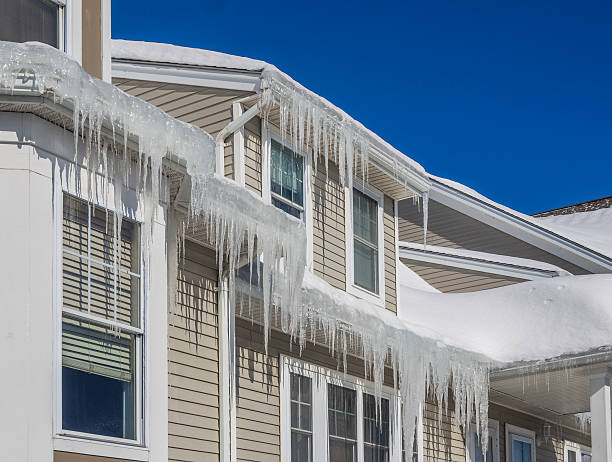
If you've lived through a Minnesota winter, you've probably seen ice dams — those thick ridges of ice that form along the edge of your roof. They might look harmless, but they can cause serious damage.
What Causes Ice Dams?
Ice dams form when heat escapes through your roof and melts snow on the upper sections. The meltwater flows down to the colder eaves, where it refreezes into a dam. Water then backs up behind the dam and can seep under your shingles into your home.
Signs of Ice Dam Damage
Watch for water stains on ceilings or walls, peeling paint near the roofline, sagging gutters, and icicles hanging from the eaves. These are all indicators that ice dams may be affecting your home.
Prevention Strategies
The best defense against ice dams starts in your attic. Proper insulation keeps heat from escaping through the roof. Adequate ventilation allows cold air to circulate under the roof deck, keeping the surface temperature even.
Other prevention methods include sealing air leaks around light fixtures, plumbing vents, and attic hatches. Ice and water shield membrane along the eaves provides an additional layer of protection.
When Ice Dams Have Already Formed
Never try to chip ice dams off your roof — you'll likely damage your shingles. Instead, use calcium chloride ice melt in a stocking laid across the dam, or call a professional for safe steam removal.
Kodiak Structures & Exteriors can assess your roof's ventilation and insulation to prevent ice dams before they start. Call us at (651) 983-1609.