
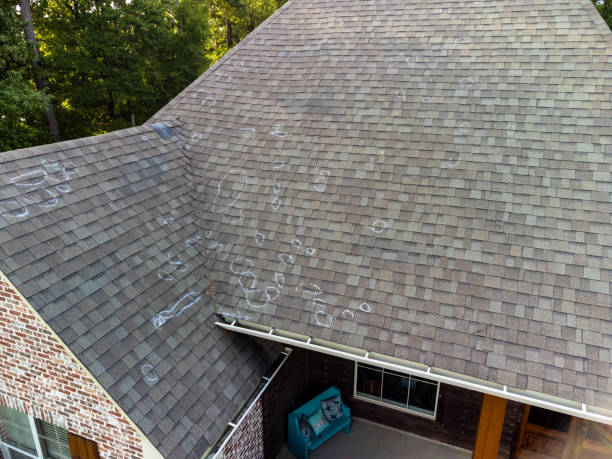
Minnesota sees its share of severe hailstorms, especially in spring and summer. While large hail is obvious, even smaller hailstones can cause significant damage that's easy to miss from the ground.
Roof Damage
On asphalt shingles, hail creates dark spots where granules have been knocked loose. You might also see dents, cracks, or soft spots when pressing on the shingle. These damaged areas are vulnerable to water infiltration and will deteriorate faster.
Siding Damage
Vinyl siding can crack or shatter from hail impact, while aluminum siding shows dents. Fiber cement siding is more resistant but can still chip from large hailstones. Check all sides of your home — the side facing the storm direction typically has the most damage.
Gutter and Downspout Damage
Metal gutters and downspouts often show the most visible hail damage in the form of dents and dings. While cosmetic, severe denting can affect water flow and drainage.
Window and Screen Damage
Check all window screens for tears or dents. Look at window frames and glazing for cracks. Don't forget skylights — they're especially vulnerable to hail.
What to Do After a Hailstorm
Document all visible damage with photos. Contact your insurance company promptly. Then call a professional roofing contractor for a thorough inspection — much of the damage from hail is difficult to see from the ground.
Kodiak Structures & Exteriors has extensive experience with hail damage claims across the north metro. Call (651) 983-1609 for a free post-storm inspection.