
Most homeowners don't think about roof ventilation until there's a problem. But proper attic ventilation is one of the most important factors in your roof's longevity and your home's energy efficiency.
How Roof Ventilation Works
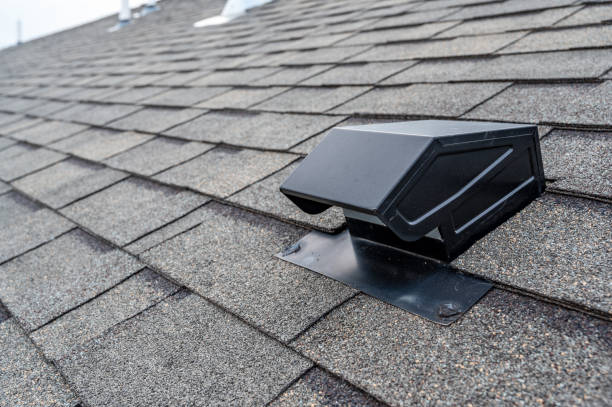
A balanced ventilation system uses intake vents (usually at the soffits) and exhaust vents (at the ridge or near the peak) to create continuous airflow through your attic. This air movement serves different purposes depending on the season.
Summer Benefits
In summer, attic temperatures can exceed 150°F without proper ventilation. That superheated air radiates down into your living space, forcing your air conditioning to work overtime. Proper ventilation exhausts hot air and dramatically reduces cooling costs.
Winter Benefits
In winter, ventilation is even more critical in Minnesota. Warm, moist air from your living space rises into the attic. Without ventilation, this moisture condenses on cold surfaces, causing mold, rot, and structural damage. Proper airflow also keeps the roof deck cold, preventing the snowmelt that causes ice dams.
Signs of Poor Ventilation
Common signs include ice dams in winter, excessive heat in upper floors during summer, mold or mildew in the attic, peeling exterior paint, and premature shingle deterioration.
The Right Solution
Every roof is different. The amount and type of ventilation needed depends on your attic size, roof design, and existing insulation. A professional assessment ensures you get the right balance.
Kodiak Structures & Exteriors evaluates ventilation as part of every roof inspection. Call (651) 983-1609 to learn more.